
Best Time to Visit Florida During UK School Holidays: A Complete Family Guide
Planning a Florida holiday around UK school holidays can feel overwhelming. However, understanding the options helps you make better decisions. Moreover, choosing the right time impacts your entire family experience.
UK families face unique constraints when booking Florida trips. Specifically, you must work within fixed school term dates. Furthermore, you want to balance weather, crowds, and costs effectively.
This guide breaks down every UK school holiday option for Florida. Additionally, it provides practical tips for each break period. Consequently, you’ll know exactly when to book your dream holiday.
Whether you’re visiting theme parks or relaxing on beaches, timing matters. In fact, the right timing can save thousands of pounds. Therefore, let’s explore your options in detail.
Understanding UK School Holidays and Florida Travel
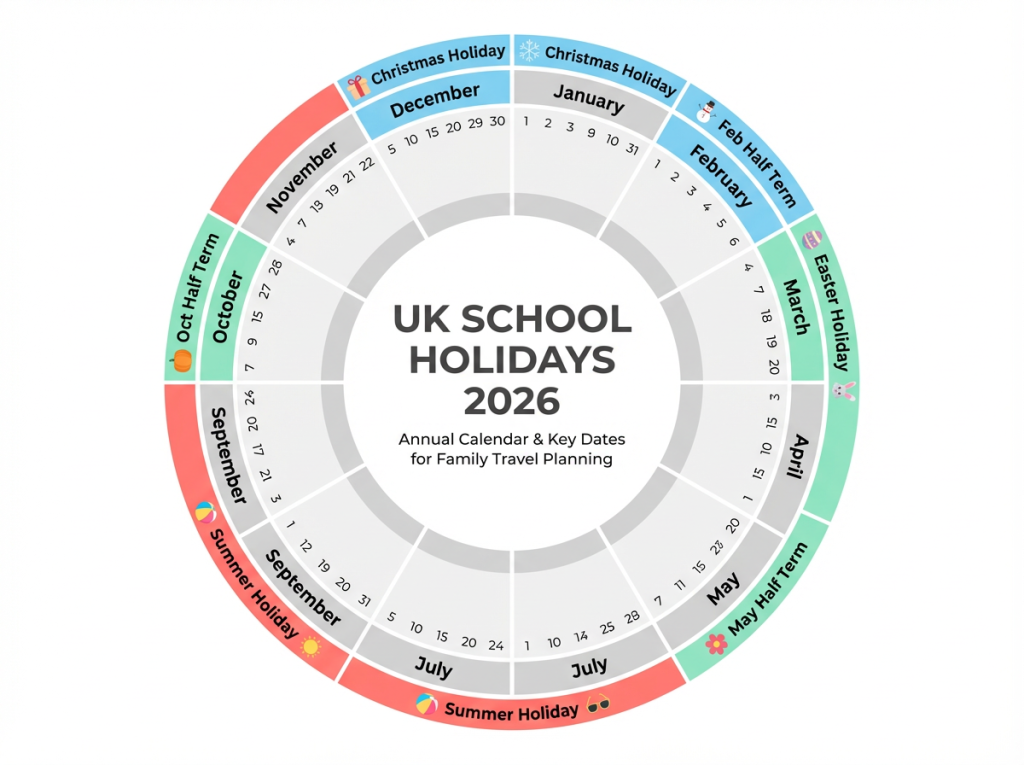
UK school holidays create specific windows for Florida travel. Generally, these holidays include six main periods each year. Therefore, understanding each option helps families plan effectively.
The main UK school holiday periods include:
- February Half-Term (one week in mid-February)
- Easter Holidays (two weeks in March/April)
- May/Spring Half-Term (one week in late May/early June)
- Summer Holidays (six weeks from mid-July to early September)
- October Half-Term (one week in late October)
- Christmas Holidays (two weeks from mid-December)
Importantly, these dates vary slightly between England, Scotland, Wales, and Northern Ireland. Moreover, individual schools sometimes schedule different break weeks. Consequently, always check your specific school calendar first.
Florida holidays typically require advance planning. In fact, booking 6-12 months ahead often provides better availability. Additionally, early booking frequently secures lower flight prices.
Many families ask whether term-time holidays are worth the penalty fines. However, this decision involves personal circumstances and school policies. Nevertheless, understanding all options helps you make informed choices.
Now let’s examine each school holiday period in detail.
February Half-Term: The Winter Escape Option
February half-term offers families an appealing Florida escape. Specifically, this week falls in mid-February each year. Therefore, it provides relief from dark UK winters.
Advantages of February Half-Term:
Weather Considerations:
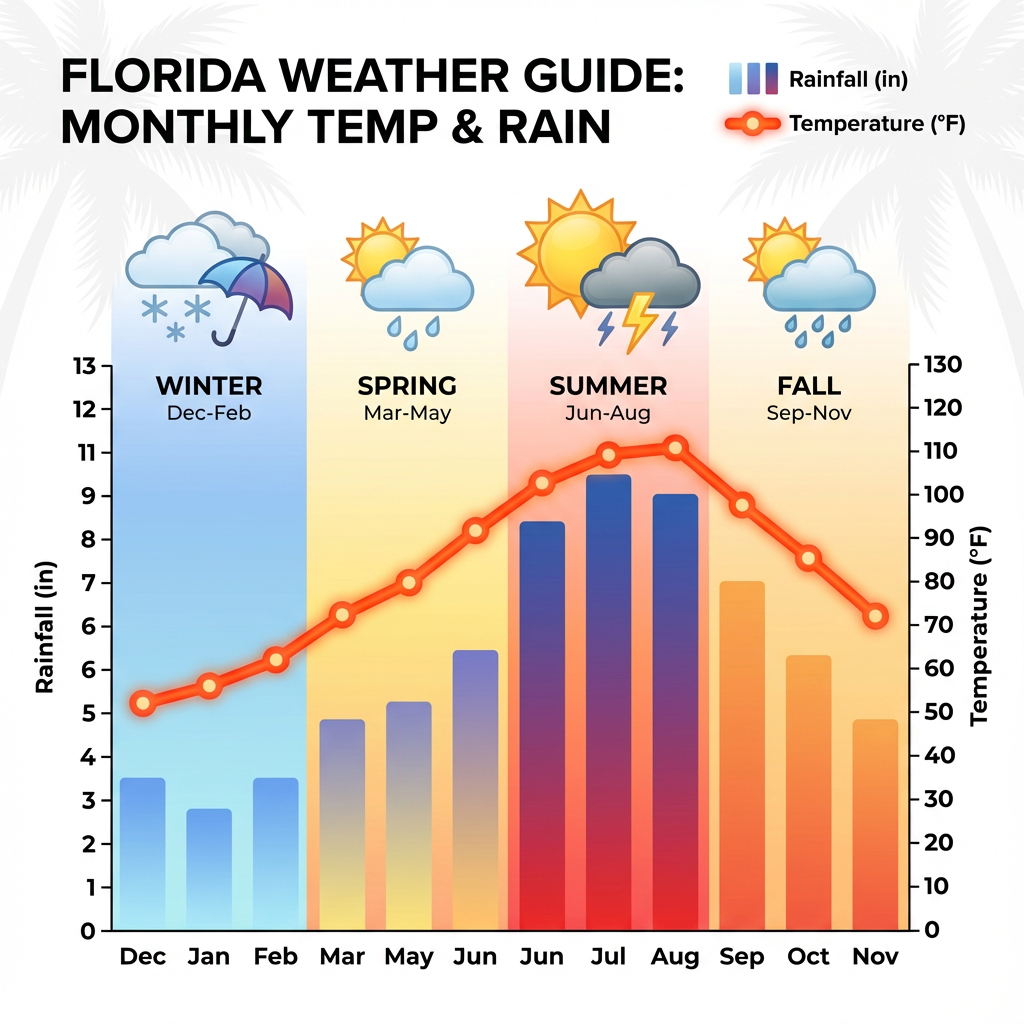
Florida enjoys pleasant temperatures during February. Typically, daytime highs reach 20-24°C (68-75°F). Furthermore, humidity levels remain comfortable for UK visitors. Additionally, rainfall stays relatively low throughout the month.
Crowd Levels:
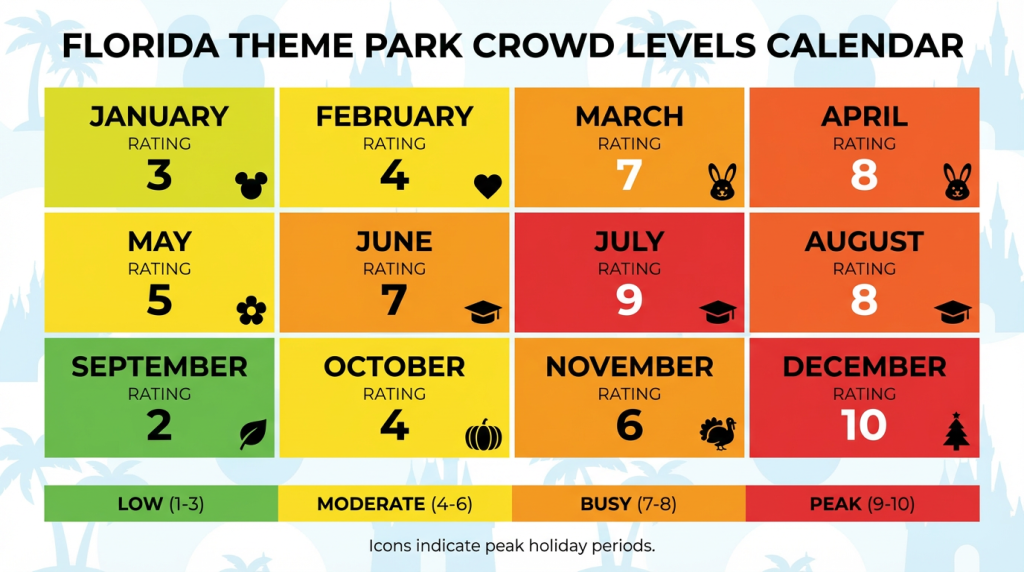
February represents a moderate crowd period in Florida. Generally, US schools remain in session during this time. However, UK half-term creates some European visitor increases. Nevertheless, crowds stay manageable compared to summer peaks.
Theme Park Experience:
Disney World and Universal Studios operate normally during February. Moreover, queue times remain reasonable for most attractions. Additionally, you’ll find shorter waits than Easter or summer. Consequently, families enjoy more rides per day.
Pricing:
February offers mid-range pricing for flights and accommodation. Notably, it costs less than Easter or Christmas breaks. However, it remains pricier than September or January. Therefore, booking early helps secure better deals.
Potential Drawbacks:
Occasionally, Florida experiences cooler weather in February. Sometimes, temperatures drop to 12-15°C (54-59°F) for pool activities. Furthermore, evenings can feel chilly after sunset. However, these cooler days remain rare overall.
Expert Tip: Pack layers for February trips. Additionally, check extended forecasts two weeks before departure. This approach helps you prepare appropriately.
Moving forward, let’s explore the busiest school holiday option.
Easter Holidays: Peak Season Challenges and Opportunities
Easter holidays represent the most challenging Florida timing. Specifically, this two-week break coincides with US spring breaks. Consequently, crowds reach peak levels throughout Florida.
Understanding Easter Timing:
Easter dates shift annually between late March and late April. Moreover, UK school holidays typically span two weeks around Easter. Therefore, checking specific dates matters when planning ahead.
The Crowd Reality:
Easter brings maximum crowds to Florida theme parks. In fact, Disney World often reaches capacity during this period. Similarly, Universal Studios experiences its longest queue times. Additionally, beaches and attractions fill with visitors everywhere.
Queue times at Easter frequently exceed:
- 90-120 minutes for popular Disney rides
- 60-90 minutes for Universal attractions
- 45-60 minutes for restaurant seating
Furthermore, navigating crowded parks with young children becomes exhausting. Therefore, many families find Easter frustrating despite good weather.
Weather Advantages:
Easter provides excellent Florida weather conditions. Typically, temperatures range from 24-28°C (75-82°F). Moreover, humidity remains moderate compared to summer months. Additionally, rainfall stays low during most Easter weeks.
Pricing Concerns:
Easter commands premium prices across all categories. Specifically, flight costs increase by 40-60% above average. Furthermore, villa and hotel rates reach their highest levels. Consequently, families spend significantly more during Easter breaks.

Making Easter Work:
Despite challenges, some families must travel during Easter. Therefore, strategic planning becomes essential for success.
Essential Easter strategies include:
Book extraordinarily early (12 months ahead minimum). This approach secures accommodation and reasonable flight prices.
Purchase theme park Lightning Lane passes. These skip-the-line options save hours of queuing time.
Arrive at parks before opening time. Early arrival provides 2-3 hours of lower crowds.
Schedule rest days between park visits. This prevents exhaustion from constant crowds.
Consider alternative attractions. Beach days and nature parks offer crowd relief.
Expert Insight: If possible, visit Florida during the last few Easter holiday days. Specifically, crowds decrease as US spring breaks end. Consequently, the final weekend often feels less overwhelming.
Fortunately, better options exist for flexible families.
Summer Holidays: The Six-Week Window
Summer holidays provide the longest Florida travel window. Specifically, UK schools break for six weeks from mid-July. Therefore, families enjoy greater flexibility for trip timing.
Understanding Summer Season Variations:
Not all summer weeks offer equal Florida experiences. In fact, significant differences exist between July, August, and early September. Consequently, choosing the right weeks maximizes your holiday value.
July (Mid-July to End of Month):
July brings intense heat and humidity to Florida. Typically, temperatures exceed 32°C (90°F) daily. Moreover, humidity levels reach 70-80% throughout the month. Additionally, afternoon thunderstorms occur almost daily.
Crowd levels remain high during July. US schools break for summer simultaneously. Furthermore, American families fill Florida attractions throughout July. Therefore, theme parks experience significant queues and congestion.
Pricing stays elevated during July weeks. Flight costs remain 30-40% above off-peak rates. Similarly, accommodation prices reflect peak summer demand.
August (Early to Mid-August):
Early August mirrors July conditions closely. However, interesting changes occur around mid-August. Specifically, US schools resume sessions in mid-to-late August.
This creates a valuable opportunity: UK families visiting late August enjoy lower crowds. Many Florida schools restart around August 10-15. Consequently, local crowds decrease while UK holidays continue. Therefore, late August often provides better value than July.
Weather remains hot during August. Temperatures stay around 31-33°C (88-91°F) daily. Furthermore, humidity continues at uncomfortable levels. Additionally, afternoon storms persist throughout the month.

Hurricane season considerations matter during August. This month falls within peak hurricane activity. However, actual hurricanes remain relatively rare. Nevertheless, tropical storms occasionally disrupt plans.
Late August and Early September:
The final UK summer holiday weeks offer advantages. Specifically, early September (before UK schools restart) provides benefits.
Crowds drop significantly during this period. US schools operate normally by early September. Moreover, most American families complete summer trips already. Consequently, Florida attractions become noticeably quieter.
Weather begins improving slightly. Temperatures moderate to 29-31°C (84-88°F). Furthermore, humidity decreases marginally from peak levels. However, afternoon storms continue regularly.
Pricing becomes more attractive. Flight costs start decreasing after mid-August. Additionally, accommodation rates drop compared to July levels.
Summer Success Strategies:
Target late August for your Florida trip. Specifically, the last 10 days before UK schools restart work best. This timing balances holiday availability with improved conditions.
Prepare for heat and humidity appropriately. Pack lightweight, moisture-wicking clothing for everyone. Moreover, plan indoor activities during peak afternoon heat.
Build flexibility into your itinerary. Weather disruptions occur more frequently during summer. Therefore, avoid rigid daily schedules.
Book air-conditioned accommodation. Villa rentals with pools provide essential heat relief. Furthermore, having private space helps families recharge daily.
Shorter breaks also offer Florida opportunities.
October Half-Term: The Hidden Gem
October half-term emerges as an excellent Florida option. Specifically, this week falls in late October annually. Moreover, it offers significant advantages over longer breaks.
Weather Perfection:
October provides ideal Florida weather conditions. Temperatures range from 26-29°C (79-84°F) comfortably. Furthermore, humidity drops significantly from summer levels. Additionally, rainfall decreases compared to earlier months.
Hurricane season technically continues through November. However, October sees declining tropical activity. Therefore, weather disruptions become less likely.

Crowd Advantages:
Late October brings moderate crowds to Florida. US schools operate normally during this period. Moreover, American families typically avoid late October travel. Consequently, theme parks feel noticeably less congested.
Halloween events attract some additional visitors. Specifically, Mickey’s Not-So-Scary Halloween Party runs during October. Similarly, Universal’s Halloween Horror Nights draws crowds. Nevertheless, overall crowd levels remain manageable.
Special Events Appeal:
October offers unique Halloween experiences at Florida parks. These special events create memorable family moments. Additionally, EPCOT’s Food & Wine Festival continues through October. Therefore, adults enjoy enhanced dining experiences.
Pricing Benefits:
October half-term offers reasonable pricing overall. Flight costs remain moderate compared to peak periods. Furthermore, Florida villa accommodation rates stay below Easter and summer levels.
One-Week Limitation:
The main October drawback involves duration constraints. Specifically, half-term provides only one week total. Therefore, families must maximize limited time efficiently.
Expert Recommendation: October half-term represents excellent value for families. The combination of weather, crowds, and pricing creates ideal conditions. Therefore, book early as this week grows increasingly popular.
Finally, let’s examine the festive season option.
Christmas Holidays: Festive Florida Magic
Christmas holidays offer magical Florida experiences. Specifically, schools break for two weeks from mid-December. However, this period brings both benefits and challenges.
Festive Atmosphere:
Florida theme parks transform during Christmas season. Decorations, special shows, and festive events create magical experiences. Moreover, Christmas parades and fireworks enhance the atmosphere. Therefore, many families cherish these holiday memories.

Crowd and Cost Realities:
Christmas represents Florida’s peak pricing period. Flight costs increase dramatically during these weeks. Furthermore, accommodation rates reach their absolute highest levels. Consequently, families pay premium prices throughout.
Crowds vary significantly within Christmas holidays. Early December weeks (before December 20) offer better conditions. Specifically, crowds remain moderate until Christmas week approaches. However, December 20-January 2 brings overwhelming crowds everywhere.
Strategic Timing:
Smart families target specific Christmas holiday windows. Specifically, the first week of Christmas holidays works best. This timing (mid-December) provides festive atmosphere without peak crowds.
Alternatively, consider traveling immediately after Christmas. The period from December 27-30 sees slightly reduced crowds. However, New Year’s week (December 31-January 2) brings crowds back.
Weather Considerations:
December offers pleasant Florida temperatures. Typically, days reach 22-25°C (72-77°F) comfortably. However, evenings can feel cool for outdoor activities. Therefore, pack warmer layers for evening events.
Occasionally, cold fronts bring cooler weather. Temperatures sometimes drop to 10-15°C (50-59°F) briefly. Consequently, pool activities may feel too cold temporarily.
Expert Advice: Christmas works best for families prioritizing festive atmosphere. However, expect to pay significantly more. Therefore, budget carefully and book extremely early.
Beyond standard holidays, alternative options exist.
Term-Time Travel: Understanding the Options and Consequences
Some families consider term-time Florida trips. Specifically, this means traveling during school session periods. However, understanding legal and practical implications matters significantly.
UK Regulations:
Taking children from school during term-time requires permission. Specifically, headteachers authorize absence in exceptional circumstances only. Moreover, unauthorized absences can result in penalty fines.
Current penalty fines start at £60 per parent, per child. Furthermore, fines increase for repeat offenses. Additionally, persistent unauthorized absences may trigger legal action.
When Term-Time Might Work:
Despite regulations, some circumstances justify term-time travel. For example, families with unique work commitments sometimes qualify. Additionally, specific educational opportunities might warrant approval.
Term-time travel offers significant advantages financially. Flight prices drop by 40-60% outside school holidays. Furthermore, accommodation costs decrease substantially. Therefore, families save thousands of pounds overall.
Crowd conditions improve dramatically during term-time. Florida attractions feel noticeably quieter during September, October (non-half-term), and January. Consequently, families enjoy better theme park experiences.
Making the Decision:
Term-time travel involves personal family decisions. Importantly, consider your child’s school attendance record. Moreover, discuss implications with your child’s headteacher early.
Some families find the savings justify potential fines. Specifically, the financial difference sometimes exceeds penalty amounts. However, this calculation doesn’t account for educational impact.
Expert Opinion: Term-time travel suits specific situations only. Generally, working within school holidays proves less stressful. Therefore, explore all school holiday options thoroughly first.
Now let’s summarize optimal strategies.
Practical Planning Tips for School Holiday Florida Trips
Successful Florida holidays require strategic planning. Therefore, follow these essential tips for optimal experiences.
Booking Timeline:
Start planning at least 9-12 months before departure. This timeframe provides maximum flight and accommodation availability. Moreover, early booking secures better pricing overall.
Book flights first once you confirm school holiday dates. Flight prices typically increase as departure approaches. Therefore, securing flights early prevents budget overruns.
Reserve accommodation and car hire next after confirming flights. Villa rentals book quickly for popular weeks. Furthermore, early booking provides better property selection. Florida car hire like many other services is better book sooner rather than later due to dynamic pricing. By booking early with zero deposit and free cancellation, you take control and ensure you get the very best price available.
Purchase theme park tickets 2-3 months before travel. However, avoid buying too early as promotions emerge closer to dates. Black Friday and New Year sales can also provide excellent savings on Florida theme park tickets.
Flight Strategies:
Consider indirect flights for potential savings. Sometimes, connecting flights cost significantly less. However, weigh savings against additional travel time with children.
Use flight comparison tools extensively. Websites like Skyscanner and Google Flights help identify best prices. Moreover, setting price alerts notifies you of deals.
Fly mid-week when possible. Tuesday and Wednesday flights often cost less. Furthermore, airports feel less congested on these days.
Accommodation Choices:
Villa rentals suit families better than hotels typically. Private pools provide essential relaxation space. Moreover, full kitchens enable cost-effective meal preparation.
Location matters significantly for convenience. Properties near theme parks save driving time. However, slightly distant villas often cost considerably less.
Read reviews carefully before booking any accommodation. Specifically, focus on recent reviews from UK families. These provide relevant insights for your needs.
Let’s conclude with final recommendations.
Final Recommendations: Choosing Your Best School Holiday Window
Selecting the best UK school holiday for Florida depends on your priorities. However, clear patterns emerge from our analysis.
For optimal weather and moderate crowds: October half-term provides the best overall experience. Additionally, late August offers strong value during summer holidays.
For families prioritizing festive atmosphere: Early December Christmas holidays deliver magical experiences. However, expect premium pricing throughout.
For budget-conscious families: February half-term offers reasonable pricing with decent weather. Moreover, late summer weeks provide better value than July.
For avoiding overwhelming crowds: Skip Easter holidays entirely if possible. Instead, target October, February, or late August windows.
Remember these key principles:
Book as early as possible for all school holiday periods. This approach maximizes availability and pricing. Furthermore, early booking reduces planning stress significantly.
Build flexibility into your plans whenever possible. Weather and unexpected circumstances arise during holidays. Therefore, rigid schedules often create frustration.
Focus on your family’s specific needs and priorities. Every family values different aspects of Florida holidays. Consequently, choose timing that matches your circumstances best.
Frequently Asked Questions
Which UK school holiday offers the best Florida weather?
October half-term provides optimal weather conditions overall. Temperatures remain comfortable while humidity drops significantly. Additionally, rainfall decreases compared to summer months.
Can I take my children to Florida during term-time?
Technically, you can request permission from your headteacher. However, approval typically requires exceptional circumstances only. Moreover, unauthorized absence results in penalty fines.
How far in advance should I book Florida holidays?
Ideally, book 9-12 months before your chosen school holiday. This timeframe ensures better flight and accommodation availability. Furthermore, early booking often secures lower prices overall.
Is Easter too crowded for Florida theme parks?
Easter brings peak crowds to all Florida attractions. Queue times often exceed 90-120 minutes for popular rides. Therefore, many families find Easter challenging despite excellent weather.
Which school holiday offers the best value for money?
February half-term and late August provide better value overall. These periods combine reasonable pricing with decent weather conditions. Additionally, crowds remain more manageable than peak periods.
Should I visit Florida during hurricane season?
Hurricane season runs June through November officially. However, actual hurricane impacts remain relatively rare. Nevertheless, consider travel insurance covering weather disruptions.
Conclusion
Planning Florida holidays around UK school breaks requires careful consideration. However, understanding each option helps you make informed decisions. Moreover, strategic timing significantly impacts your overall experience.
October half-term emerges as the optimal choice for many families. The combination of weather, crowds, and pricing creates ideal conditions. Additionally, late August provides excellent value during summer holidays.
Easter holidays offer excellent weather but bring overwhelming crowds. Therefore, only families with no alternative should choose this period. Conversely, Christmas holidays deliver magical festive experiences despite premium pricing.
Remember that your family’s specific circumstances matter most. What works perfectly for one family may not suit another. Consequently, weigh all factors against your priorities carefully.
Start planning early regardless of which holiday you choose. Early booking secures better options and pricing overall. Furthermore, thorough preparation reduces stress and enhances enjoyment.
Your Florida holiday can create lifelong family memories. Therefore, choose your timing wisely and plan thoroughly. Happy travels to the Sunshine State!

